Onsite Circular Public Toilets: Closed-Loop Water Reuse for Growing Cities
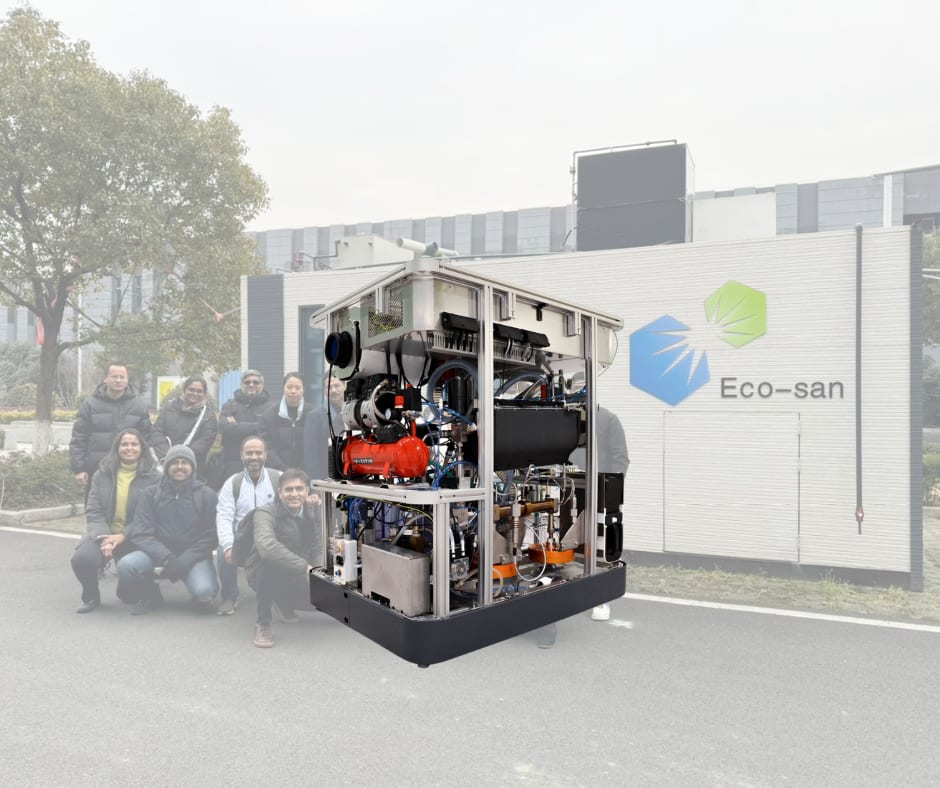
Onsite Circular Public Toilets: Closed-Loop Water Reuse for Growing Cities
The traditional flush toilet has an infrastructure problem: it depends on vast underground sewer networks, centralized treatment plants, and high volumes of freshwater for every flush.
The Problem with Conventional Sewered Toilets:
- Require extensive sewer infrastructure (costing millions per city)
- Use 6–9 liters of freshwater per flush
- Need centralized wastewater treatment plants
- Depend on uninterrupted grid electricity and municipal water supply
- Take decades to build at city scale
The Reality on the Ground:
- 3.4 billion people globally lack safely managed sanitation
- 70% of Indian households rely on onsite sanitation (pit latrines, septic tanks) that often isn't safely emptied or treated
- Untreated wastewater contaminates groundwater, lakes, and urban drains
Traditional sewerage systems cost $500–$2,000 per household connection, making rapid expansion difficult in fast-growing peri-urban areas, heritage zones, and water-stressed cities.
What Is an Onsite Circular Public Toilet?
An onsite circular public toilet treats used water right where the facility stands and reuses that treated water in a closed loop for non-potable applications such as flushing and facility cleaning.
Core design principles include:
- Onsite pathogen elimination: Multi-stage biological and physical treatment processes neutralize pathogens at the source.
- Closed-loop water recovery: Up to 80–98% of used water is filtered, disinfected, and recirculated for flushing, dramatically cutting freshwater withdrawal.
- Off-grid self-reliance: Integrated solar panels and battery storage allow continuous operation without depending on grid power.
- Prefabricated modular deployment: Factory-built container units can be installed in days rather than months of civil construction.
- ISO 30500 alignment: Engineered around the international standard for non-sewered sanitation systems so treated outputs are safe for handling and reuse.
How Closed-Loop Treatment Works in Practice
Inside a LooCafe ReFlow circular unit, wastewater passes through an 8-stage treatment train housed within the container:
- Solid-liquid separation & anaerobic/aerobic biological digestion: Beneficial bacteria break down organic matter and reduce sludge volume.
- Membrane ultrafiltration: Removes suspended solids and turbidity, producing clear non-potable water.
- Activated carbon & UV-C disinfection: Eliminates odor, color, and pathogens without harsh chemical dosing.
- Closed-loop storage & recirculation: Treated water returns to the flush cisterns, requiring only minimal makeup water over months of operation.
Why Business Models Matter as Much as Treatment Hardware
Over the past decade, global non-sewered sanitation research invested more than $200 million into laboratory prototypes. Many early standalone prototypes cost $10,000–$50,000 per unit and struggled in the field because they lacked a daily operations and maintenance (O&M) model.
LooCafe's approach pairs onsite circular water treatment with a self-sustaining operating model:
- Integrated Café & Kiosk Revenue: Adjacent retail and café counters fund 24/7 staffing, cleaning, and preventive maintenance while keeping toilet access free for citizens.
- IoT Telemetry (Toilet Tech©): Stink sensors, water-level monitors, and footfall counters alert maintenance teams before issues affect users.
- Single-Point Accountability: One operator manages fabrication, installation, staffing, and long-term upkeep under 10–15 year municipal PPP agreements.
Where Onsite Circular Public Toilets Deliver the Greatest Impact
- Water-Stressed Urban Corridors: Reduces municipal tanker and freshwater dependence by recycling flush water onsite.
- Heritage & Eco-Sensitive Zones: Operates with zero untreated discharge where trenching sewers is prohibited or impractical.
- Transit Hubs, Parks & Rapidly Growing Towns: Deploys quickly to serve 200–1,500 daily users per unit without waiting years for trunk sewer lines.
About LooCafe: Founded in 2018, LooCafe operates 350+ public washroom-café facilities across 10+ Indian cities, combining free-to-use public sanitation with onsite water reuse, solar power, and IoT-monitored maintenance.
Subscribe to our Insights
Get the latest updates on sanitation technology and urban policy.