India's Sanitation Revolution: From Swachh Bharat to Smart Circular Toilets
India's Sanitation Revolution: From Swachh Bharat to Smart Toilets
On October 2, 2014—Mahatma Gandhi's 145th birthday—Prime Minister Narendra Modi launched the Swachh Bharat Mission with a symbolic act: he picked up a broom and swept a street. The message was unmistakable: cleanliness and sanitation were now national priorities.
Five years later, on October 2, 2019, India declared itself Open Defecation Free (ODF), with 35 states and union territories achieving this milestone. Over 100 million toilets had been constructed. 55 crore people (550 million) had changed their behavior to use toilets instead of practicing open defecation.
It was one of the most ambitious—and controversial—public health campaigns in history.
But the story doesn't end with toilet construction. Today, as India enters Swachh Bharat Mission 2.0, the focus has shifted from building toilets to sustaining behavior change, managing fecal waste, and creating truly smart sanitation systems.
And that's where the real revolution begins.
Where India Started: The 2014 Baseline
The Grim Statistics
When Swachh Bharat Mission launched, India faced a sanitation crisis of extraordinary scale:
Open Defecation:
- 597 million people practiced open defecation (2014 UNICEF/WHO data)
- Nearly half the population lacked access to toilets
- India accounted for 60% of global open defecation
Toilet Coverage:
- Only 38.7% of households had sanitation facilities (2014)
- Rural areas were most underserved
- Public toilets were scarce, poorly maintained, or non-functional
Health Consequences:
- 188,000 children under 5 died annually from diarrheal diseases (largely sanitation-related)
- High rates of malaria, cholera, and intestinal parasites
- Malnutrition exacerbated by enteric infections
- Groundwater contamination widespread
Economic Impact:
- 6.4% of GDP lost due to inadequate sanitation (World Bank estimate)
- Approximately ₹2.4 lakh crore ($53 billion) annual economic cost
- Healthcare expenses, lost productivity, and premature deaths
Social Impact:
- Gender violence: Women vulnerable during pre-dawn/post-dusk open defecation
- School dropouts: Adolescent girls lacking menstrual hygiene facilities
- Caste-based discrimination: Manual scavenging predominantly by marginalized communities
- Dignity denied: Human waste disposal treated as "polluting" work
The challenge was staggering—but so was India's determination to change.
Swachh Bharat Mission Phase 1 (2014-2019): Building Toilets at Scale
The Mission Objectives
Primary Goals:
- Eliminate open defecation
- Eliminate manual scavenging
- Implement modern and scientific solid waste management
- Promote behavior change regarding sanitation practices
- Generate awareness about sanitation and public health
The Implementation Strategy
Massive Infrastructure Build:
- 100+ million individual household latrines constructed
- 6.6 lakh (660,000) individual toilets in urban areas
- 6 lakh (600,000) public and community toilets in cities
- 74,000+ public toilets, community toilets, and urinals in urban India
Financial Investment:
- ₹62,009 crore allocated for SBM (Urban)
- ₹1.34 lakh crore for SBM (Gramin/Rural)
- 60:40 cost-sharing between central and state governments
- Incentives for individual household latrine construction
Behavior Change Campaign:
- Mass media campaigns (TV, radio, print)
- Celebrity endorsements (Bollywood, cricket stars)
- School education programs
- Community-Led Total Sanitation (CLTS) approach
- Public shaming of open defecation (controversial tactic)
Technology Adoption:
- Online monitoring and reporting systems
- Mobile apps for verification
- Geospatial mapping of toilet facilities
- Real-time progress dashboards
The Results: Historic Achievements
Coverage Progress:
- 2014: 38.7% household sanitation coverage
- 2017: 65%
- August 2018: 90%
- September 2019: 99% (declared ODF)
Geographic Scale:
- 35 states/UTs declared Open Defecation Free
- 699 districts achieved ODF status
- 5.99 lakh (599,000) villages declared ODF
Population Impact:
- ~500 million people gained access to toilets
- 55 crore people reported behavior change to using toilets
- Urban India largely achieved ODF status
Health and Economic Benefits:
- ODF households saved ₹50,000 annually on health expenses
- ODF villages showed 12.7x lower groundwater contamination risk
- Reduced deaths from diarrhea and malaria
- Improved children's health and nutrition outcomes
- Women and girls gained safety and dignity
International Recognition:
- UN's Sustainable Development Goal 6 progress
- WHO/UNICEF Joint Monitoring Programme acknowledged achievements
- Global sanitation community studied India's model
The Controversies and Criticisms
Despite achievements, SBM Phase 1 faced significant criticism:
Quality Concerns:
- Rushed construction led to poor-quality toilets
- Many toilets lacked water supply
- Inadequate pit depth and substructure
- Some toilets non-functional or abandoned
Behavior Change Doubts:
- Studies suggested continued open defecation despite toilet availability
- Research estimated ~52% of rural population still practiced open defecation
- Toilets built but not necessarily used
- Cultural beliefs and practices difficult to change quickly
Data Accuracy:
- Pressure to achieve targets led to inflated reporting
- ODF verification methodology questioned
- Independent assessments showed gaps between official data and ground reality
Manual Scavenging Persists:
- Despite 2013 ban, manual scavenging continued
- Legal loophole: "protective equipment" allowed manual cleaning
- Thousands still engaged in hazardous, degrading work
- 377 sanitation worker deaths (2019-2023) from toxic gas exposure
Fecal Sludge Management Ignored:
- Focus on toilet construction, not waste treatment
- 70% of households use onsite sanitation (septic tanks, pit latrines)
- Most fecal sludge dumped untreated in drains, fields, water bodies
- Groundwater and surface water contamination continues
The lesson: building toilets is the easy part; sustaining behavior change and managing waste safely is the hard part.
Swachh Bharat Mission 2.0 (2021-Present): From ODF to ODF++
The Strategic Shift
Recognizing that toilet construction alone isn't sufficient, SBM 2.0 launched on October 1, 2021, with a more comprehensive approach:
Core Objectives:
- Sustain ODF status achieved in Phase 1
- ODF Plus: Ensure proper toilet usage and solid waste management
- ODF++: Add wastewater management to the equation
- 3-Star Garbage Free Cities: All cities achieve waste management certification
- Waste-to-Wealth: Transform waste management into economic opportunity
Funding Commitment:
- ₹1.4 lakh crore total budget (2021-2025)
- Improve rural sanitation infrastructure
- Build 3.5 lakh new toilets where needed
- Ensure 100% sanitation access nationwide
- Remediate legacy dumpsites
The New Focus Areas
1. Faecal Sludge Management (FSM)
The Challenge: With 70% of Indian households using onsite sanitation, safe fecal sludge management is critical but largely absent:
Current Problems:
- Most pits and septic tanks emptied manually or by vacuum trucks
- Collected sludge dumped untreated in open areas
- Groundwater contamination from poorly designed systems
- Public health risks from unsafe handling
SBM 2.0 Solutions:
- City-level FSM Plans: Every ULB (Urban Local Body) to create and implement FSM strategy
- Treatment Infrastructure: Build Fecal Sludge Treatment Plants (FSTPs)
- Mechanized Emptying: Replace manual scavenging with vacuum trucks
- Safe Disposal: Ensure collected sludge reaches treatment facilities
- Resource Recovery: Treat sludge to produce biogas, compost, and reclaimed water
Tools and Guidance:
- FSM Toolkit for District Officials (June 2021)
- Faecal Sludge Management Manual (July 2021)
- Recommended technologies: Twin pits, septic tanks, bio-digesters, bio-tanks
- NFSSM Alliance (National Faecal Sludge and Septage Management) support
2. Smart Toilets and Technology Integration
Innovation Examples:
Nagpur Smart Toilets (October 2024):
- Air conditioning
- Sensor-controlled smart doors
- Gender-segregated facilities
- Solar panels for power
- Hand dryers and washbasins
- Electronic payment options
Pimpri Chinchwad Aspirational Toilets:
- 26 locations on PPP basis
- Smart toilets with modern facilities
- Electronic operation and monitoring
- Real-time maintenance alerts
National Trends:
- IoT sensor integration for occupancy, cleanliness, supplies
- Mobile apps for toilet location and availability
- Predictive maintenance systems
- Touchless fixtures (post-COVID priority)
- Water-saving technologies
3. Gender-Sensitive Design
She-Toilets Initiative:
- Dedicated women-only facilities
- Menstrual hygiene management (MHM) support
- Sanitary pad vending machines
- Disposal incinerators
- Enhanced privacy and security
MHM Statistics:
- 500 million women and girls globally lack adequate MHM facilities
- Public toilets critical for school-age girls (prevents dropout)
- Market areas, bus stations, railway stations priority locations
Innovative Models:
- SHE Mobile Toilet (Telangana): Converted auto-rickshaw reaches underserved areas
- Toilet for Her (Gujarat): Renovated old bus as Toilet Integration Center
- GARV Toilets' She-Toilet program in market areas
4. Solid Waste Management Integration
ODF+ and ODF++ Standards:
- ODF: No visible feces in environment
- ODF+: ODF + proper solid waste management
- ODF++: ODF+ + wastewater management
Garbage-Free Cities Goal:
- All cities achieve 3-Star certification by 2025-26
- Segregation at source (dry, wet, hazardous)
- Scientific disposal and treatment
- Recycling and composting programs
- Legacy dumpsite remediation
The Remaining Challenges
Despite SBM 2.0's comprehensive approach, significant challenges persist:
1. Behavior Change Sustainability
The Reality Check: Studies suggest ~52% of rural population may still practice open defecation despite toilet availability.
Contributing Factors:
- Toilets lack piped water supply
- Poor construction (pits too shallow, structures unstable)
- Cultural beliefs (preference for open defecation)
- Inadequate awareness of health benefits
- Toilets used for storage instead of sanitation
Solutions Needed:
- Long-term behavior change campaigns
- Ensure water supply to every toilet
- Quality control in construction
- Community engagement and peer influence
- Addressing underlying social norms
2. Sanitation Worker Safety
The Tragedy Continues: Between 2019-2023, 377 sanitation workers died during sewer and septic tank cleaning operations.
The Legal Loophole:
- Manual scavenging banned since 2013
- But no explicit ban on manual cleaning if "protective equipment" provided
- Contractors exploit loophole with inadequate safety gear
- Workers from marginalized communities have few alternatives
NAMASTE Scheme (2023): National Action for Mechanised Sanitation Ecosystem
- Eliminate hazardous cleaning
- Mechanize sewer and septic tank emptying
- Train and certify workers
- Provide PPE kits and safety equipment
- Health insurance (AB-PMJAY)
- Capital subsidy for sanitation equipment
- 2024 Expansion: Includes waste pickers and solid waste workers
What's Still Needed:
- Strict enforcement of manual scavenging ban
- Affordable mechanized equipment for municipalities
- Livelihood alternatives and rehabilitation for manual scavengers
- Social security and dignity for all sanitation workers
3. Urban vs. Rural Gaps
Urban Progress:
- Strong toilet coverage
- Better infrastructure
- Public toilet networks expanding
- Smart city integration
Rural Challenges:
- Inadequate maintenance systems
- Limited FSM services
- Behavior change more difficult
- Resource constraints in panchayats
- Groundwater contamination risks higher
Bridging the Gap:
- Decentralized FSM appropriate for rural areas
- Community-based maintenance models
- Gram Panchayat capacity building
- Technology appropriate to context (not always "smart")
4. Financing Sustainability
SBM 2.0 Funding: ₹1.4 lakh crore over 4 years is substantial, but:
- Maintenance requires ongoing funding (not one-time)
- FSM operations need sustainable revenue
- Public toilets often unprofitable without innovative models
- Municipal budgets constrained
Sustainable Approaches:
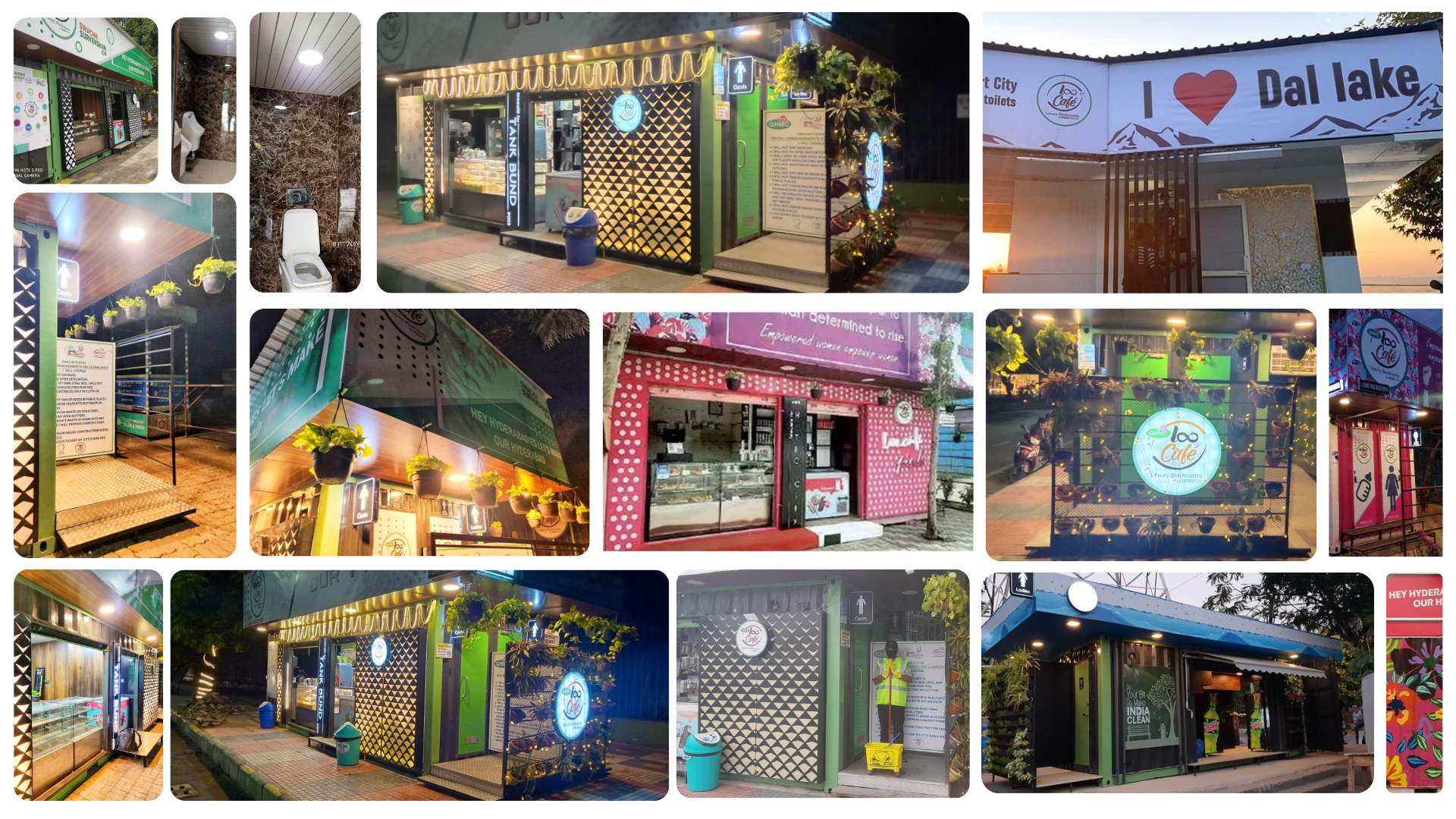
- Public-Private Partnerships (LooCafe model)
- User fees where affordable
- Advertising revenue (toilet exterior space)
- Resource recovery sales (biogas, compost, water)
- CSR funding from corporations
- Carbon credits from emission reduction
The LooCafe Role: Pioneering Sustainable Sanitation
Addressing SBM 2.0 Priorities
LooCafe's model directly aligns with SBM 2.0 objectives:
1. Sustaining Quality Infrastructure:
- Well-maintained, clean facilities (not built and abandoned)
- Container-based construction ensures durability
- Standardized quality control
2. Self-Sustaining Finance:
- Café revenue funds toilet maintenance
- Reduces dependency on government budgets
- Demonstrates private sector viability
3. Technology Integration:
- Smart toilet features possible in modular design
- IoT sensors for monitoring
- Mobile app integration (toilet finder)
- Data-driven operations
4. Worker Dignity:
- Fair wages for cleaning and café staff
- Safe working conditions (modern facilities, not hazardous pits)
- Career pathways and training
- Social security benefits
5. Gender-Sensitive Design:
- Safe, well-lit facilities
- Privacy and security prioritized
- MHM support potential (vending, disposal)
- Female staff where possible
6. FSM-Ready:
- Container-based toilets facilitate scheduled sludge collection
- Potential to build FSM service network across 270+ locations
- Treatment facility partnerships or owned infrastructure
- Resource recovery integration possible
The Proof: 270+ Locations Across India
Geographic Reach:
- Telangana: Primary market (Hyderabad focus)
- Jammu & Kashmir: Demonstrating viability in diverse contexts
- Tamil Nadu: Urban market expansion
Scale Achievement:
- 270+ locations operational
- Millions of users annually
- Proving sustainability and replicability
- Attracting national and international WASH recognition
Innovation Leadership:
- Only major player combining café + toilet
- Container-based construction expertise
- PPP model template for municipalities
- Thought leadership in sanitation economy
The Next Frontier: Smart, Circular, Inclusive
LooCafe's Vision for India's Sanitation Future:
Smart Features:
- IoT sensors across network
- Predictive maintenance
- Real-time availability data
- User experience optimization
Circular Economy:
- Greywater recycling pilots
- FSM network development
- Biogas generation exploration
- Compost production potential
Inclusive Access:
- Free access for vulnerable populations (subsidized by café revenue)
- Accessible design (disability-friendly)
- Women and children safety prioritized
- Dignified employment for marginalized communities
Scalability:
- Franchise model for rapid expansion
- Municipal partnership templates
- Technology transfer to other cities/countries
- Knowledge sharing through thought leadership
The Future: What India Needs Now
1. Focus on "Safely Managed" Sanitation
India has achieved 71% basic sanitation but only 54% safely managed sanitation. The gap represents toilets without proper waste treatment.
Priority Actions:
- Accelerate FSM infrastructure
- Ensure every pit/septic tank has scheduled emptying
- Build treatment capacity (FSTPs, omni-processors, biogas plants)
- Connect sanitation to water quality monitoring
2. Leverage Technology at Scale
Smart toilets shouldn't be expensive outliers—they should be the standard.
Opportunities:
- IoT sensor costs plummeting (affordability)
- Mobile penetration enabling app-based services
- Data analytics optimizing operations
- Predictive maintenance reducing costs
LooCafe Contribution: 270+ location network provides real-world testbed for smart sanitation technologies.
3. Enable Private Sector Innovation
Government can't do it alone. Private sector brings:
- Innovation in business models
- Operational efficiency
- Financial sustainability
- Faster scaling
Policy Support Needed:
- Clear PPP frameworks
- Performance-based contracting
- Regulatory clarity (FSM, water reuse, resource recovery)
- Land allocation for sanitation infrastructure
4. Invest in Worker Dignity and Safety
The 377 deaths between 2019-2023 are unacceptable.
Non-Negotiables:
- Zero manual scavenging (close loophole)
- Mechanization mandatory
- Living wages and social security
- Career pathways beyond sanitation work
- Eliminate caste-based occupational discrimination
NAMASTE Scheme Full Implementation: Every sanitation worker profiled, trained, insured, and equipped with PPE.
5. Address Climate and Water Nexus
Sanitation is climate infrastructure:
- 1.3% of global GHG emissions from sanitation
- 4.7% of global methane from non-sewered sanitation
- Water recycling reduces scarcity impacts
- Biogas reduces fossil fuel dependency
Climate-Smart Sanitation:
- Solar-powered facilities
- Biogas capture
- Water recycling
- Carbon credit eligibility
- Climate resilience (flood-proof, drought-adapted designs)
6. Measure What Matters
Beyond Toilet Count:
- Usage rates (actual behavior change)
- Waste treatment percentages (safely managed)
- Water quality improvements (groundwater, rivers)
- Health outcomes (diarrheal disease reduction)
- Worker safety metrics (zero deaths)
- User satisfaction (cleanliness, accessibility)
Data-Driven Governance: Real-time monitoring, independent verification, transparent reporting.
The Global Context: India as Sanitation Leader
India's scale makes its sanitation journey globally significant:
If India Succeeds:
- Model for other developing nations
- Proven technologies and business models
- Demonstrates political will works
- SDG 6 achievable globally
If India Struggles:
- Global ODF targets missed
- Billions remain without safe sanitation
- Health and economic costs persist
- Climate impacts worsen
India's Unique Position:
- Largest population implementing sanitation transformation
- Mix of solutions (urban, rural, onsite, network)
- Technology innovation hub (Eram Scientific, LooCafe, others)
- Policy experimentation laboratory
- International WASH collaborations bringing global expertise
Take Action: Join India's Sanitation Revolution
For Government Officials:
- Prioritize FSM alongside toilet construction
- Enable PPP models through clear policies
- Invest in worker safety and training
- Measure outcomes, not just outputs
For Entrepreneurs:
- Sanitation economy is booming (₹1.4 lakh crore SBM 2.0 funding)
- Innovate business models like LooCafe
- Technology solutions in demand (IoT, FSM services, treatment)
- Impact + profit opportunity
For Corporations:
- CSR funding for sanitation infrastructure
- Adopt smart toilets in your facilities
- Employee sanitation benefits (safe, dignified facilities)
- Supply chain: support sanitation enterprises
For Citizens:
- Use and maintain public toilets responsibly
- Report non-functional facilities via municipal apps
- Support businesses like LooCafe prioritizing sanitation
- Advocate for safe sanitation worker conditions
For Investors:
- Sanitation economy growing rapidly
- Proven models ready to scale (LooCafe: 270+ locations)
- Policy tailwinds (SBM 2.0, NAMASTE, SDG 6)
- Social impact + financial returns
India's sanitation revolution is unfinished—but the trajectory is clear. From 38.7% coverage to near-universal access in a decade is extraordinary. Now the work deepens: safe waste management, smart technology, worker dignity, and financial sustainability.
LooCafe is proud to be part of this revolution. Every one of our 270+ locations is a statement: sanitation can be clean, sustainable, dignified, and profitable.
The future of India's sanitation isn't just toilets. It's smart, circular, inclusive sanitation ecosystems serving every citizen with dignity.
Join us in building that future.
About LooCafe: Founded in 2018, LooCafe operates 270+ premium public restroom-café facilities across India. We're proving that sustainable, dignified sanitation is possible at scale.
Partner With Us: Municipalities, investors, and technology providers interested in India's sanitation future can contact [email protected]
Sources: Swachh Bharat Mission reports, Ministry of Housing and Urban Affairs, Ministry of Jal Shakti, UNICEF India, WHO-UNICEF JMP, NAMASTE Scheme documentation, NFSSM Alliance, India Sanitation Coalition
Keywords: Swachh Bharat Mission, SBM 2.0, India sanitation, Open Defecation Free, ODF, smart toilets India, faecal sludge management, FSM, NAMASTE scheme, manual scavenging, public toilets India, LooCafe, sanitation workers, MHM India, urban sanitation, rural sanitation, SDG 6 India
Subscribe to our Insights
Get the latest updates on sanitation technology and urban policy.