Circular Economy in Sanitation: How Toilets Recover Water, Energy, and Nutrients
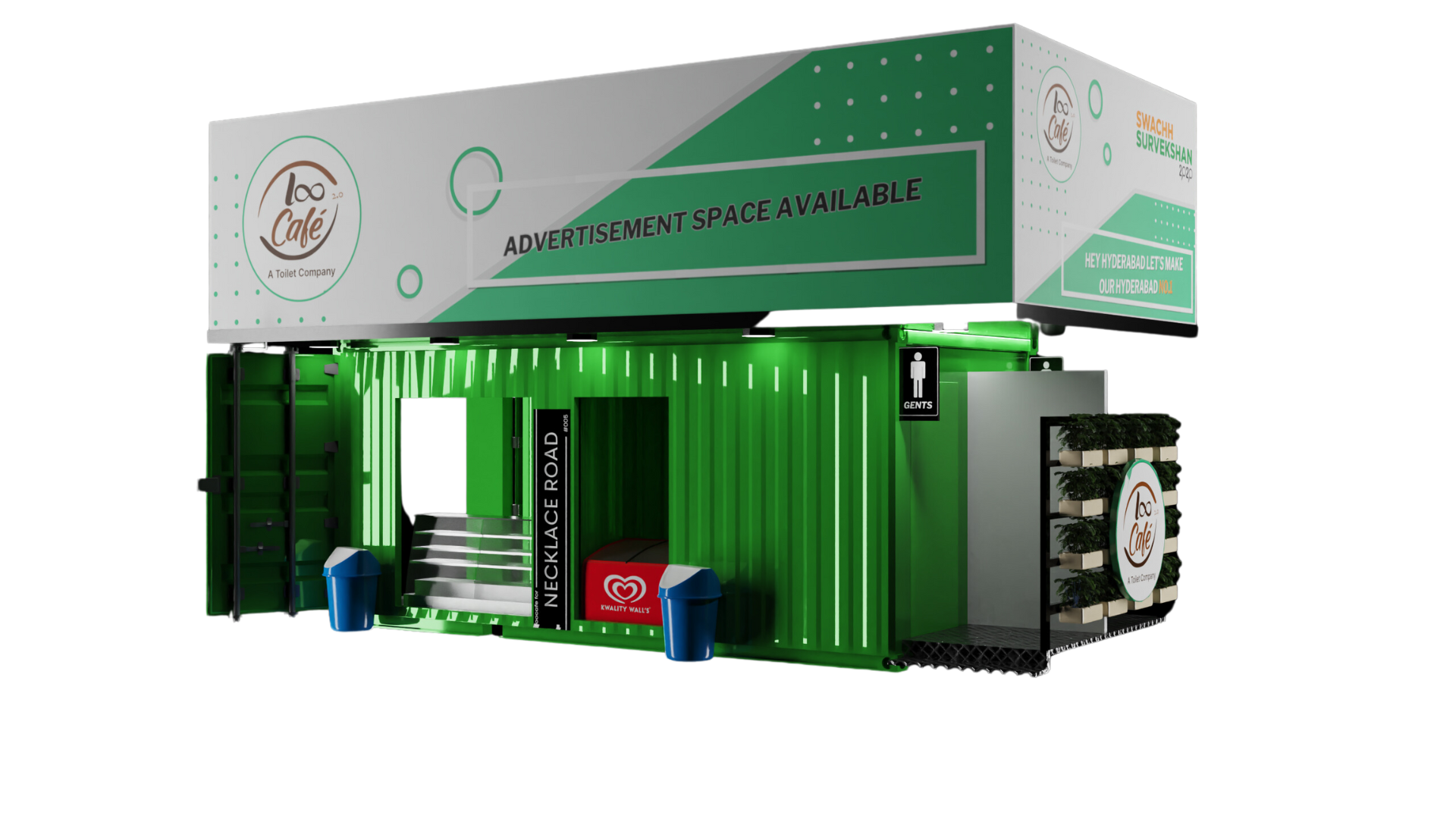
Circular Economy in Sanitation: How Toilets Can Generate Energy, Water, and Fertilizer
What if we told you that every time you flush a toilet, you're discarding valuable resources worth several dollars? Water that could be recycled. Nutrients that could fertilize crops. Organic matter that could generate electricity.
The traditional approach to sanitation—"flush and forget"—is fundamentally wasteful. We take valuable resources (clean water, energy, nutrients), mix them with human waste, and spend enormous sums treating the resulting sewage, only to discharge it into rivers and oceans.
But there's another way: circular economy sanitation.
This approach transforms toilets from disposal points into resource recovery systems—turning what we've always considered "waste" into water, energy, and agricultural inputs. And the economic and environmental benefits are staggering.
Understanding Circular Economy: From Linear to Loop
The Linear "Take-Make-Dispose" Model
Traditional sanitation follows a linear path:
Input → Process → Waste
- Input: Clean drinking-quality water (6-9 liters per flush)
- Process: Flush toilet → sewer → treatment plant (if you're lucky)
- Waste: Treated effluent discharged to rivers/oceans; sludge disposed in landfills
The Problems:
- Water Waste: Using potable water to transport waste is inherently inefficient
- Nutrient Loss: Nitrogen and phosphorus that could fertilize crops are lost
- Energy Waste: Treatment consumes energy without recovery
- Pollution: Even "treated" water often pollutes receiving water bodies
- Cost: Cities spend billions on treatment infrastructure
The Circular "Reduce-Reuse-Recycle" Model
Circular economy sanitation creates closed loops:
Input → Recovery → Reuse
- Input: Human waste (rich in nitrogen, phosphorus, organic matter)
- Recovery: Technologies separate and capture valuable components
- Reuse: Resources return to productive use (agriculture, energy, industry)
The Opportunities:
- Water: Cleaned wastewater becomes irrigation, industrial water, or even drinking water
- Energy: Biogas from anaerobic digestion generates heat and electricity
- Nutrients: Nitrogen and phosphorus recovered as fertilizer
- Organic Matter: Composted biosolids improve soil health
- Economic Value: Resources sold offset treatment costs
The World Bank calls this paradigm shift essential: "Wastewater should be considered a valuable resource rather than a liability."
The Resources We're Flushing Away
1. Water: The Most Obvious Resource
Global Water Stress:
- 3.2 billion people live in water-scarce regions
- Climate change is intensifying droughts globally
- Groundwater depletion accelerating in India, China, Middle East
Recycled Water Potential:
- Every liter of wastewater can be cleaned and reused
- Singapore's NEWater program supplies 40% of water needs from recycled wastewater
- Treated to drinking water standards and used for industry, cooling, and indirect potable use
Technologies for Water Recovery:
- Membrane Filtration: Removes suspended solids and pathogens
- UV Disinfection: Inactivates remaining microorganisms
- Reverse Osmosis: Produces ultra-pure water from treated wastewater
- Greywater Systems: Separate low-contamination water (sinks, showers) for easier reuse
LooCafe Opportunity: Greywater recycling could supply water for:
- Hand-washing facilities
- Café dishwashing (after appropriate treatment)
- Landscaping irrigation
- Toilet flushing (closing the loop)
2. Nutrients: Nitrogen and Phosphorus
The Fertilizer Connection: Human waste contains nutrients essential for agriculture:
- Nitrogen (N): Critical for plant growth
- Phosphorus (P): Essential for root development and flowering
- Potassium (K): Supports overall plant health
Current Waste: Currently, Europe recycles only 5% of total organic solid waste. Yet higher recycling rates could replace:
- 30% of chemical fertilizer use
- Approximately 1.8 million tons of phosphate fertilizer annually
The Crisis Context:
- Phosphorus is a finite resource (mined from rocks)
- Peak phosphorus could occur within decades
- Food security depends on fertilizer access
- Nutrient runoff causes dead zones in oceans and lakes
Recovery Technologies:
Struvite Precipitation:
- Recovers phosphorus as crystalline struvite (magnesium ammonium phosphate)
- Slow-release fertilizer
- Prevents pipe scaling in treatment plants
- Commercial market value
Ammonia Stripping:
- Captures nitrogen as ammonium sulfate
- Concentrated fertilizer product
- Reduces nitrogen discharge to water bodies
Composting:
- Aerobic decomposition of biosolids
- Produces pathogen-free organic fertilizer
- Improves soil structure and water retention
Case Study: The Netherlands: Dutch water utilities are pioneering nutrient recovery, aiming to create fertilizer factories from wastewater treatment plants. The approach transforms treatment plants from cost centers to resource recovery facilities.
3. Energy: From Methane Problem to Power Solution
The Methane Challenge:
- 4.7% of global methane emissions come from non-sewered sanitation
- Methane is a powerful greenhouse gas (25x more potent than CO2 over 100 years)
- Open pits and poorly managed septic systems leak methane constantly
The Biogas Opportunity: Instead of emitting methane, capture it for energy:
Anaerobic Digestion Process:
- Organic waste sealed in oxygen-free digester
- Bacteria break down waste, producing biogas (60-70% methane)
- Biogas burned for electricity or heat
- Remaining digestate becomes fertilizer
Energy Output:
- Janicki Omni-Processor S200: 250 kW electricity from 50 tons waste/day
- Powers entire treatment facility with surplus for grid export
- Creates net-positive energy sanitation systems
Additional Benefits:
- Avoids greenhouse gas emissions from decomposing organic matter
- EU municipalities achieve threefold GHG emission savings with biogas capture
- Reduces dependency on fossil fuels
- Creates local energy security
Barriers to Adoption:
- High upfront capital costs for digesters
- Technical expertise required
- Economies of scale favor larger installations
- Policy and regulatory frameworks often lacking
4. Other Valuable Products
Protein for Animal Feed: Black soldier fly larvae can be grown on fecal sludge, producing:
- High-protein animal feed (for chickens, fish)
- Efficient waste reduction (90% volume reduction)
- Commercial value in aquaculture and poultry
Energy Briquettes: Dried and compressed biosolids become:
- Fuel for cooking and heating
- Alternative to wood charcoal (reducing deforestation)
- Income generation for waste management operations
Industrial Inputs:
- Biochar for water filtration
- Construction materials (stabilized biosolids in bricks)
- Bioplastics from wastewater bacteria
Real-World Success Stories
Sanergy (Kenya): Circular Sanitation at Scale
Location: Nairobi's informal settlements
Model: Container-Based Sanitation + Circular Economy
The System:
Fabrication & Installation:
- Affordable toilet units in slums
- Serving 130,000+ people daily
- Subscription-based collection services
Waste Collection & Treatment:
- 12,000 tons removed annually (2019)
- Delivered to centralized recycling facilities
- Professional, dignified collection services
Product Commercialization:
- Organic Fertilizer: Nutrient-rich, improves soil health, boosts yields
- Protein for Animal Feed: Insect larvae grown on waste
- Energy Briquettes: Alternative cooking fuel
Impact:
- Serves 130,000+ people with affordable, dignified sanitation
- Creates sustainable value chain
- Agricultural sector benefits from end products
- Demonstrates viability in low-income contexts
- Provides employment for waste collectors and plant workers
Business Model:
- Toilet subscriptions cover collection costs
- Product sales generate profit
- Impact investors support scaling
- Municipal partnerships expand reach
Lessons for India: Sanergy proves that circular sanitation can be profitable even in challenging environments. With India's 70% onsite sanitation, a similar model could transform faecal sludge management (FSM).
Singapore NEWater: Water Reuse at National Scale
The Challenge: Singapore has limited natural water resources and depends on imported water from Malaysia.
The Solution: NEWater
Process:
- Wastewater undergoes conventional treatment
- Microfiltration removes suspended solids
- Reverse osmosis purifies water to ultra-pure standard
- UV disinfection ensures safety
Results:
- Meets WHO drinking water standards
- Supplies 40% of Singapore's water needs
- Used for industrial cooling, air conditioning, and indirect potable reuse
- Creates water security despite limited natural resources
- Reduces dependency on imports
Public Acceptance: Initially met with skepticism ("toilet to tap"), the program succeeded through:
- Transparency about treatment processes
- Extensive testing and monitoring
- Public education campaigns
- Brand building (NEWater visitor center)
Lessons for India: Indian cities facing water stress (Chennai, Bangalore, Delhi) could replicate NEWater's approach. Water recycling is increasingly cost-competitive with long-distance water transfers.
Netherlands: Wastewater Treatment Plants as Factories
Dutch water authorities are transforming treatment plants into resource recovery facilities:
Innovations:
- Energy-Positive Plants: Generate more energy than consumed
- Nutrient Factories: Extract phosphorus and nitrogen for sale
- Biopolymer Production: Bacteria produce biodegradable plastics
- Heat Recovery: Wastewater heat warms nearby buildings
Economic Model: Revenue from resource sales reduces treatment costs. Some facilities aim to be fully self-funded by 2030.
Policy Support: Netherlands national policy mandates nutrient recovery, creating stable market demand.
Circular Sanitation Technologies
Omni-Processors: The Full-Circle Solution
Janicki Omni-Processor / Sedron Technologies
How It Works:
- Fecal sludge enters the processor
- Sludge dried using recovered heat
- Dried waste burned in high-temperature combustion chamber
- Heat from combustion boils water, creating steam
- Steam drives turbine generating electricity
- Electricity powers water purification system
- Output: Clean water, electricity, and ash (for construction)
Performance:
- S200 Model: Processes 50 tons waste/day
- Produces: 13,000 gallons water/day + 250 kW electricity
- Serves: 100,000 people
Deployment:
- Operational in India (Warangal, Vadodara, Sinnar, Bhubaneswar)
- Demonstrates viability in Indian context
- Combines multiple circular economy principles
Biogas Digesters
Scale Options:
- Household: 1-2 m³ for single family
- Community: 10-50 m³ for multiple households or public toilets
- Municipal: 1,000+ m³ for city-scale treatment
Applications:
- Cooking fuel (replaces LPG or firewood)
- Electricity generation (with biogas generator)
- Heating (space heating, water heating)
- Vehicle fuel (with compression to CNG)
Indian Context: India has extensive experience with biogas from cow dung. Adapting these systems for human waste requires:
- Cultural sensitivity (stigma around human waste)
- Technical modifications (different composition)
- Policy support (subsidies, standards)
- Success stories to demonstrate viability
Constructed Wetlands
Natural Treatment Process:
- Wastewater flows through beds of plants and gravel
- Plants absorb nutrients
- Microorganisms break down organic matter
- Natural filtration removes pathogens
Advantages:
- Low energy (passive system)
- Minimal maintenance
- Aesthetically pleasing (green space)
- Habitat for wildlife
Applications:
- Small communities
- Peri-urban areas
- Schools, institutions
- Decentralized systems
LooCafe Potential: Larger LooCafe facilities with available land could incorporate constructed wetlands for wastewater treatment, creating:
- Green space around facilities
- Educational demonstrations
- Community amenities
- Complete resource recovery
Financial Benefits of Circular Sanitation
Revenue Sources
1. Water Sales:
- Industrial users (non-potable reuse)
- Agriculture (irrigation)
- Municipal utilities (potable after advanced treatment)
- Price: Varies by location; typically 30-70% of potable water price
2. Fertilizer Sales:
- Organic compost: ₹3,000-8,000 per ton (India)
- Struvite: Higher value as pure phosphate fertilizer
- Farmers willing to pay premium for organic inputs
3. Energy Sales:
- Electricity to grid
- Biogas to households or industries
- Carbon credits for emissions avoidance
4. Avoided Costs:
- Reduced treatment costs (energy self-sufficiency)
- Lower water purchase costs (reuse)
- Avoided environmental penalties (reduced pollution)
ROI and Payback Periods
Case Study: Medium-Scale Biogas Digester
Initial Investment: ₹50 lakh (₹5 million) Annual Operating Costs: ₹8 lakh Annual Revenue:
- Biogas sales: ₹15 lakh
- Fertilizer sales: ₹5 lakh
- Avoided disposal costs: ₹3 lakh
- Total: ₹23 lakh
Net Annual Benefit: ₹15 lakh Payback Period: ~3.3 years 20-Year NPV: ₹2+ crore (depending on discount rate)
Sensitivity: Viability depends on:
- Steady waste supply (toilet usage rates)
- Market demand for outputs
- Technical reliability (downtime costs)
- Policy support (subsidies, feed-in tariffs)
Challenges and How to Overcome Them
1. Technical Complexity
Challenge: Circular sanitation requires sophisticated technology and operational expertise.
Solutions:
- Training Programs: Build local capacity for operation and maintenance
- Standardized Systems: Use proven technologies with support networks
- Phased Implementation: Start simple (composting) before complex (omni-processors)
- Technology Transfer: Partnerships with experienced international providers
2. Cultural Acceptance
Challenge: Stigma around human waste limits acceptance of recovered products.
Solutions:
- Rebranding: Market products without explicit waste connection (NEWater example)
- Education: Explain treatment processes and safety testing
- Demonstration: Pilot projects show safety and effectiveness
- Trusted Endorsers: Government, religious leaders, celebrities promote acceptance
3. Economic Viability
Challenge: High upfront costs can deter investment despite long-term benefits.
Solutions:
- Subsidies: Government capital grants or low-interest loans
- Climate Finance: Access green bonds, climate funds (GCF)
- PPP Models: Share risk between public and private sectors
- Economies of Scale: Network multiple toilet facilities to single treatment plant
4. Regulatory Frameworks
Challenge: Regulations often don't accommodate resource recovery (fertilizer standards, water reuse rules).
Solutions:
- Policy Advocacy: Work with regulators to update standards
- Pilot Approvals: Seek special permits for demonstration projects
- International Standards: Adopt WHO, ISO guidelines as framework
- Multi-Stakeholder Coalitions: Coordinate across health, environment, agriculture ministries
5. Market Development
Challenge: Limited demand for recovered products in some regions.
Solutions:
- Guaranteed Offtake: Municipal purchase agreements for initial production
- Bulk Sales: Large agricultural customers (cooperatives, estates)
- Product Certification: Organic certification adds market value
- Price Competitiveness: Subsidize initial sales to build market share
LooCafe's Circular Economy Roadmap
Current State: Foundation for Circularity
Existing Assets:
- 270+ locations (waste supply at scale)
- Container-based infrastructure (modular, adaptable)
- Café integration (diversified revenue)
- UNDP & CII recognition (credibility, network)
Phase 1: Water Recycling (Near-Term)
Implementation:
- Install greywater systems at flagship locations
- Recycle handwashing water for toilet flushing
- Demonstrate feasibility and cost savings
Benefits:
- 30-50% water use reduction
- Lower water bills
- Proof-of-concept for expansion
Timeline: 6-12 months for pilot sites
Phase 2: Waste Aggregation (Mid-Term)
Implementation:
- Establish faecal sludge management (FSM) network
- Collect waste from LooCafe locations
- Partner with treatment facility or build owned facility
Benefits:
- Controlled waste stream for resource recovery
- Service revenue from other toilet operators
- Compliance with FSM regulations
Timeline: 12-24 months
Phase 3: Resource Recovery (Long-Term)
Implementation:
- Commission biogas digester or omni-processor
- Generate electricity for LooCafe facilities
- Produce organic fertilizer for sale
- Potentially supply reclaimed water for non-potable uses
Benefits:
- Energy cost reduction (or revenue from sales)
- Fertilizer sales revenue
- Market-leading sustainability positioning
- Climate impact (methane avoidance, renewable energy)
Timeline: 24-36 months
Phase 4: Network Effects (Vision)
Full Circular Integration:
- All 270+ LooCafe locations connected to resource recovery
- Central treatment facilities in each city
- Complete loop: waste → energy → water → food (café) → waste
- Carbon-neutral or carbon-negative operations
- Model replicable globally
Market Position:
- World's first fully circular public sanitation network
- Thought leadership in sustainable sanitation
- Blueprint for other cities and operators
Call to Action: Close the Loop
The circular economy isn't just an environmental ideal—it's an economic opportunity and a practical necessity.
With climate change intensifying water scarcity, energy costs rising, and fertilizer prices volatile, recovering resources from waste shifts from "nice to have" to essential resilience strategy.
For Municipalities:
- Incentivize circular sanitation through policy and funding
- Update regulations to enable resource recovery
- Procure recovered products (water, fertilizer) to create markets
For Businesses:
- Adopt circular sanitation in facilities and supply chains
- Partner with innovators like LooCafe
- Invest in resource recovery technologies
For Investors:
- Circular economy sanitation offers impact + returns
- Growing markets, policy support, climate finance tailwinds
- Portfolio of proven technologies and business models ready to scale
For Citizens:
- Support facilities that practice resource recovery
- Advocate for circular approaches in your community
- Reduce stigma around recovered products (it's science, not magic)
For LooCafe Customers: Every time you use a LooCafe facility, you're supporting a business model that prioritizes sustainability. As we implement circular economy principles, you'll be part of a sanitation revolution—where your waste becomes energy, water, and food.
The future isn't "flush and forget." It's close the loop and create value.
Join LooCafe in reimagining what toilets can be—not endpoints, but resource recovery nodes in a truly circular economy.
About LooCafe: Operating 270+ locations across India, LooCafe is pioneering sustainable public sanitation. We're integrating onsite water treatment and reuse to build a circular, resource-recovery public toilet network.
Partner With Us: Municipal governments, technology providers, and impact investors interested in circular sanitation can contact us at [email protected]
Sources: World Bank Wastewater Initiative, Sanergy Kenya, Singapore NEWater, European Commission Circular Economy, Sedron Technologies, FAO Circular Economy Resources
Keywords: circular economy, sanitation, resource recovery, biogas, water recycling, nutrient recovery, wastewater treatment, sustainable sanitation, LooCafe, waste to energy, fertilizer from waste, omni-processor, anaerobic digestion, Singapore NEWater, Sanergy Kenya, phosphorus recovery
Subscribe to our Insights
Get the latest updates on sanitation technology and urban policy.